NewsCompany News
Inside the Wuxi workshop: how a door operator comes together
A short walk through the production floor — from the parts that arrive to the operators that leave, and the checks that sit between them.
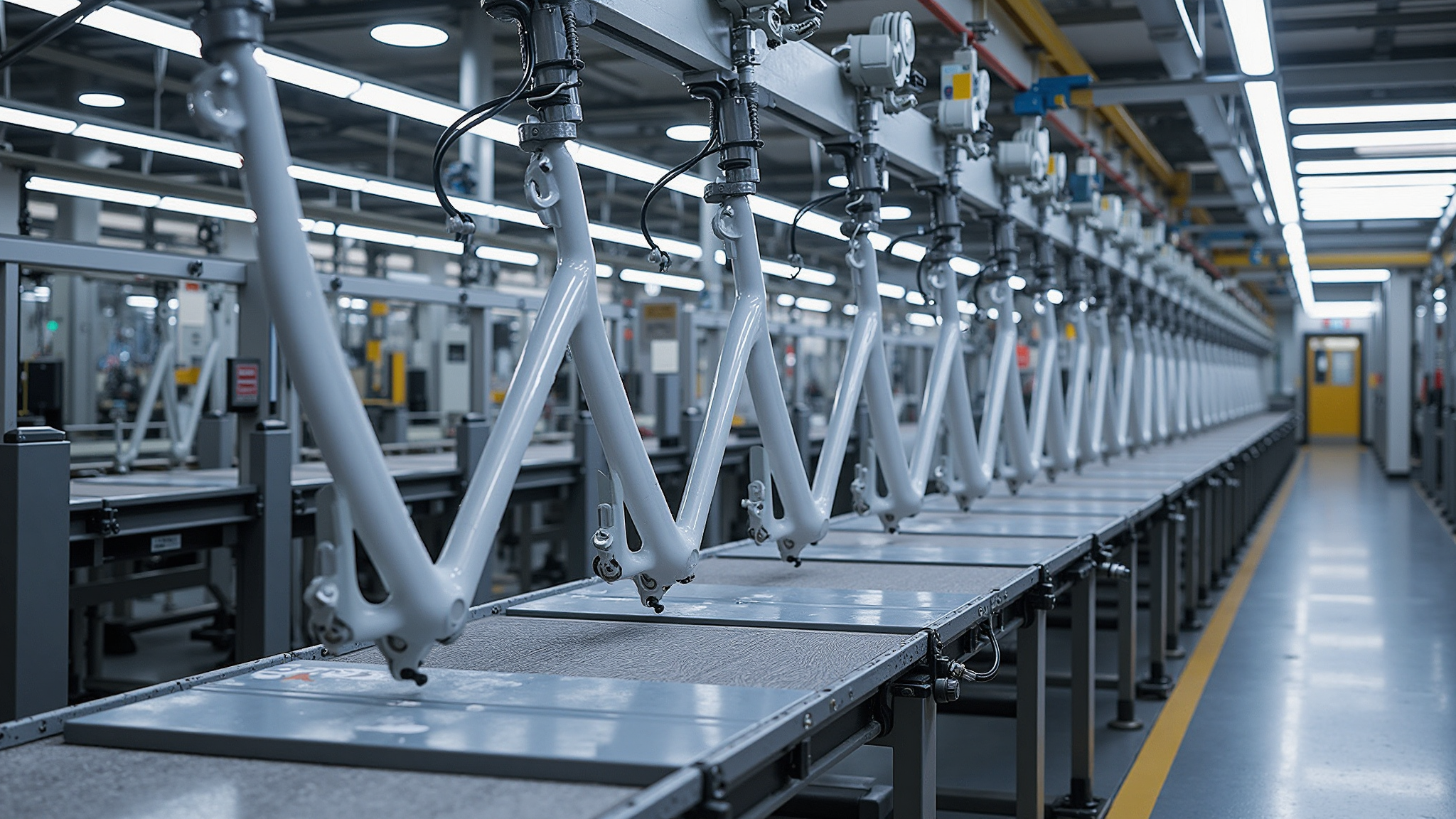
Walk through the doors of our Wuxi facility on an ordinary working morning and the first thing you notice is not noise, but rhythm. Motors are being wound on one line, gears laid into housings on another, and control boards stacking up beside a test bench that never seems to sit idle. More than a decade of building door operators has taught us that a workshop is really a conversation between parts and the people who understand them.
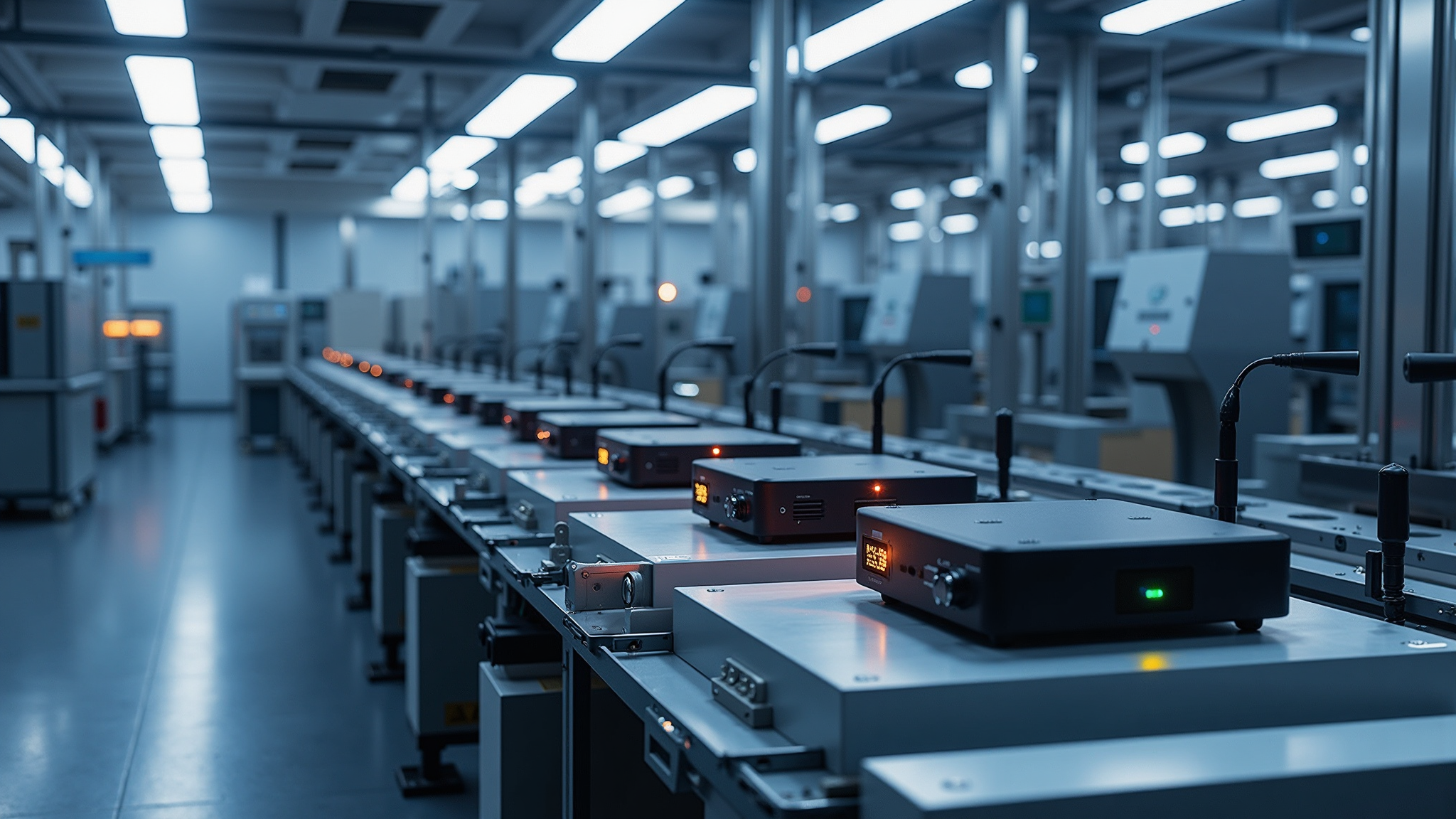
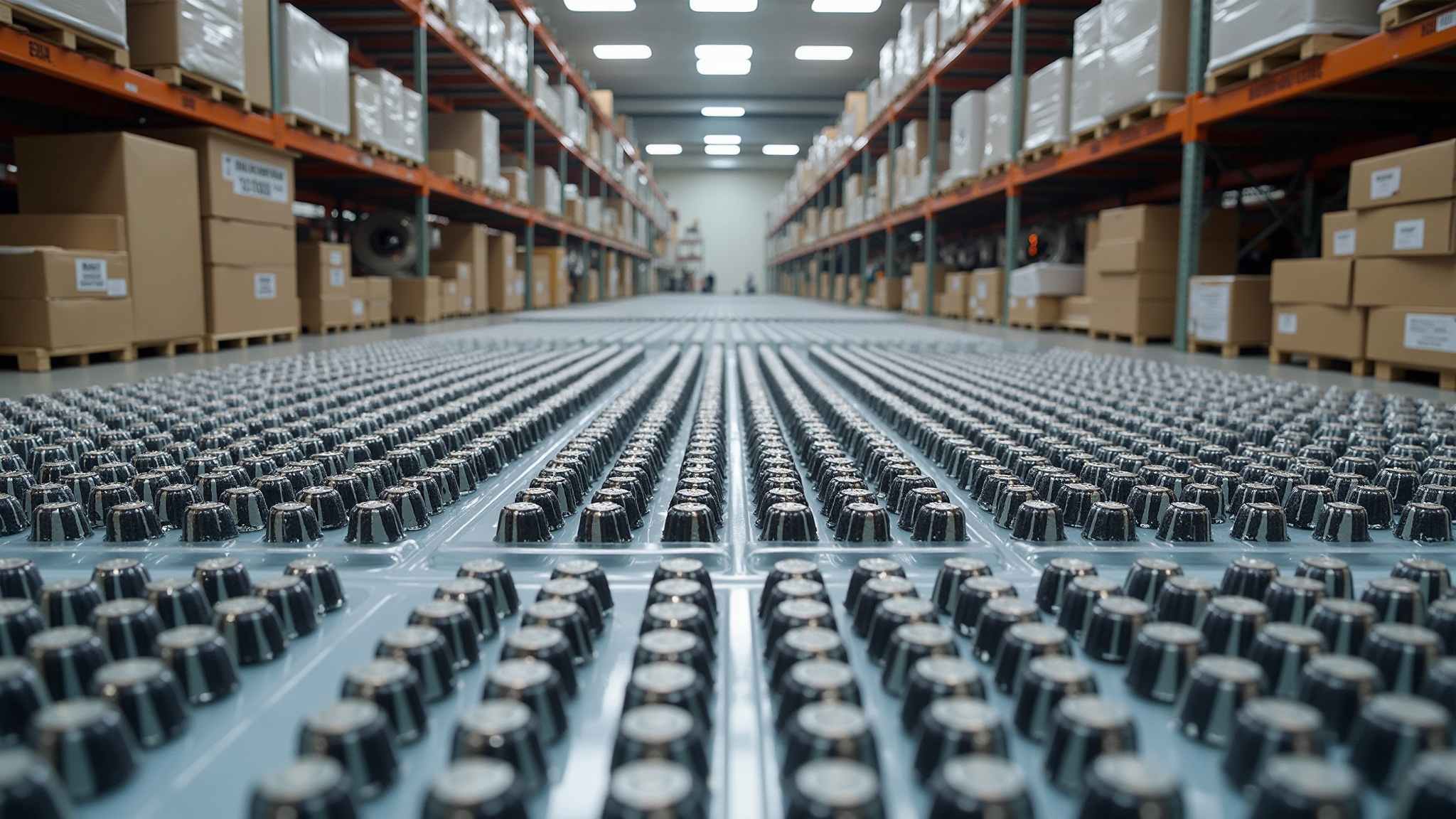
Every operator that leaves this floor — whether it is headed for a residential garage, a rolling shutter, or a high-speed industrial door — starts as a collection of components that arrived from suppliers we have worked with for years. The work is in knowing what each of them must do before they ever meet.
From incoming parts to a working assembly
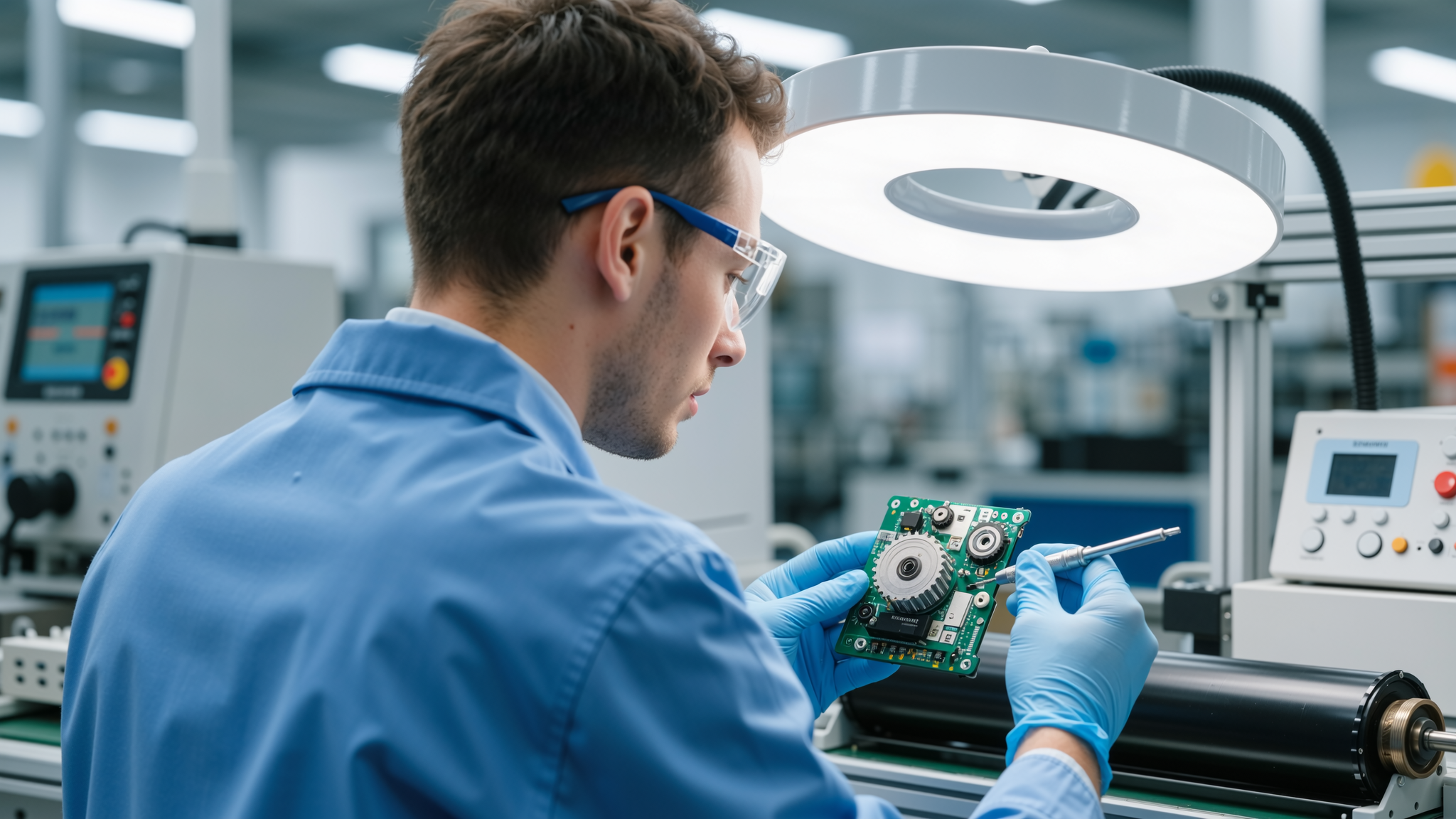
Incoming inspection is quiet and deliberate. Motor windings are checked for resistance, gear sets for tolerance, and control boards are powered up on their own before they are trusted with anything else. It is a habit that keeps surprises out of the later stages.
Assembly itself follows the product family. A residential garage door operator carries different expectations than a high-speed door machine, and our lines are organized so that each family — from the AS and IN series through to the SES, DC, SEH and BL ranges, and the TORSION 1–3 mechanical units — keeps its own fixtures, its own torque settings, and its own rhythm.
Accessories are treated with the same seriousness as the operators themselves. A door control accessory that fails quietly is worse than a motor that stops loudly, so the small parts get their own checkpoints before they are packed alongside the machines they support.
The checks that sit between floor and shipment
Before anything is boxed, it runs. Each operator is cycled under load, its limits are set, and its controls are exercised the way a real installation would exercise them. Test data is recorded, not assumed.
- Motor and gear performance under representative load
- Limit and safety-relevant control behaviour
- Electrical integrity of the assembled unit
- Documentation matched to the configuration that was actually built
The last thing that happens to an operator here is the first thing the installer will notice: it works the way it was promised to.
This is also where our approach to standards earns its keep. Designing toward CE-MD, CE-EMC, CE-RED, GS, UL, EN 60335-2-95, EN 60335-2-103, EN 12453, ISO 13849 and UL 325 is not a paperwork exercise at the end of the line — it shapes the choices made years earlier, in the housing, in the control logic, in the safety chain.
Why OEM and ODM partners come to Wuxi
Partners rarely arrive asking for a catalogue item. They arrive with a requirement — a drive that fits a particular door, a control that speaks to an existing system, a market that needs a specific certification path. Our role is to turn that into a product the floor can build consistently, batch after batch.
That is what a workshop tour really shows: not a single machine being made, but a method for making many of them the same way. From the parts that arrive to the operators that leave, the checks in between are the part we are least willing to rush.